By Submitting this form, your agree to be contacted by Builderscart regarding your project inquiry. We respect your privacy and will never share your information.
Interior Design
1. Initial Consultation and Briefing
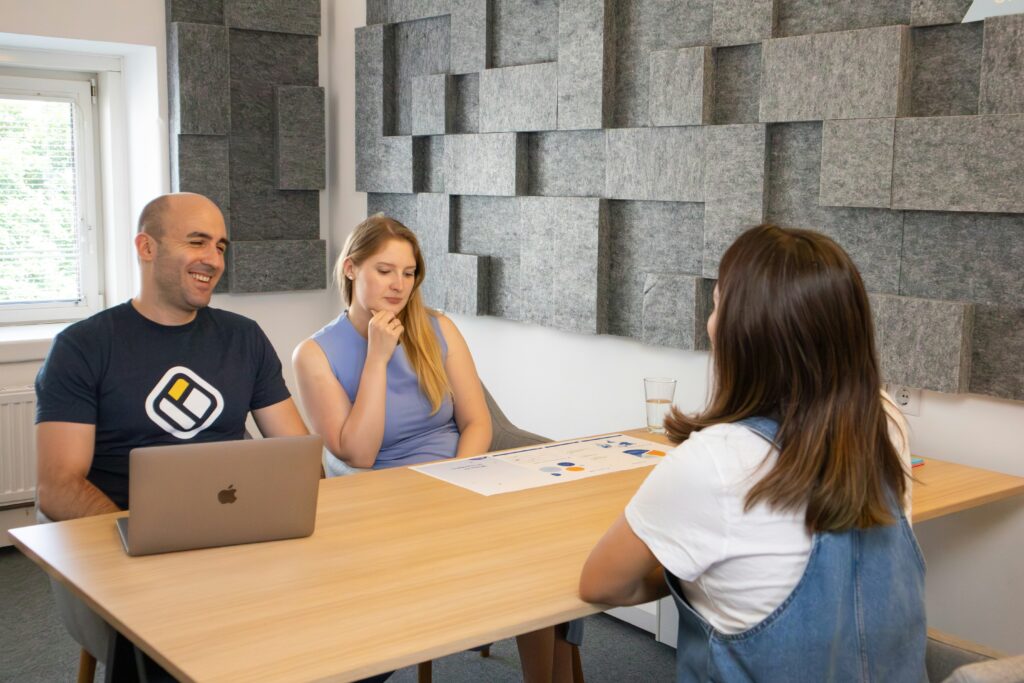
Have a detailed conversation with the client to understand their vision, needs, budget, and desired style.
Gather information about the space, including its dimensions, existing features, and how it will be used.
2. Inspiration and Conceptualization
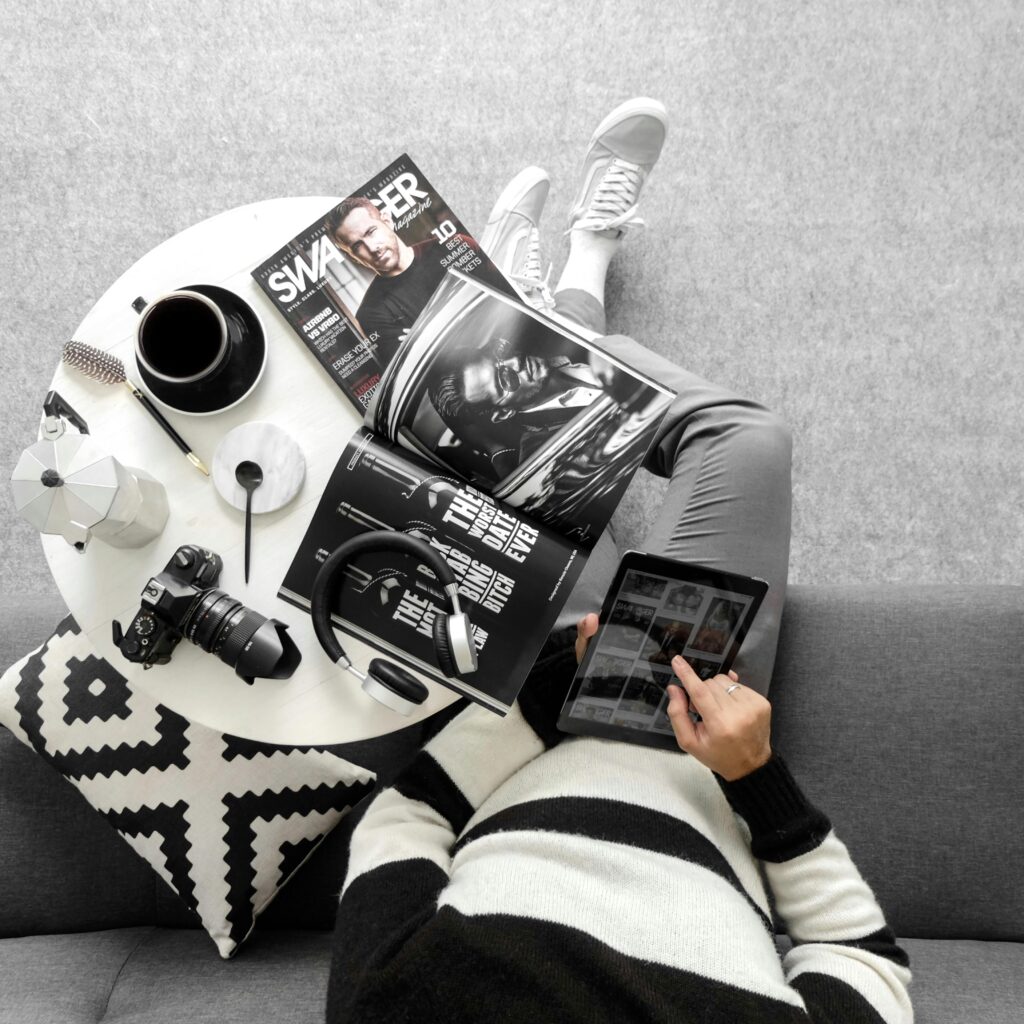
Collect inspiration from sources like magazines, online platforms, and client preferences.
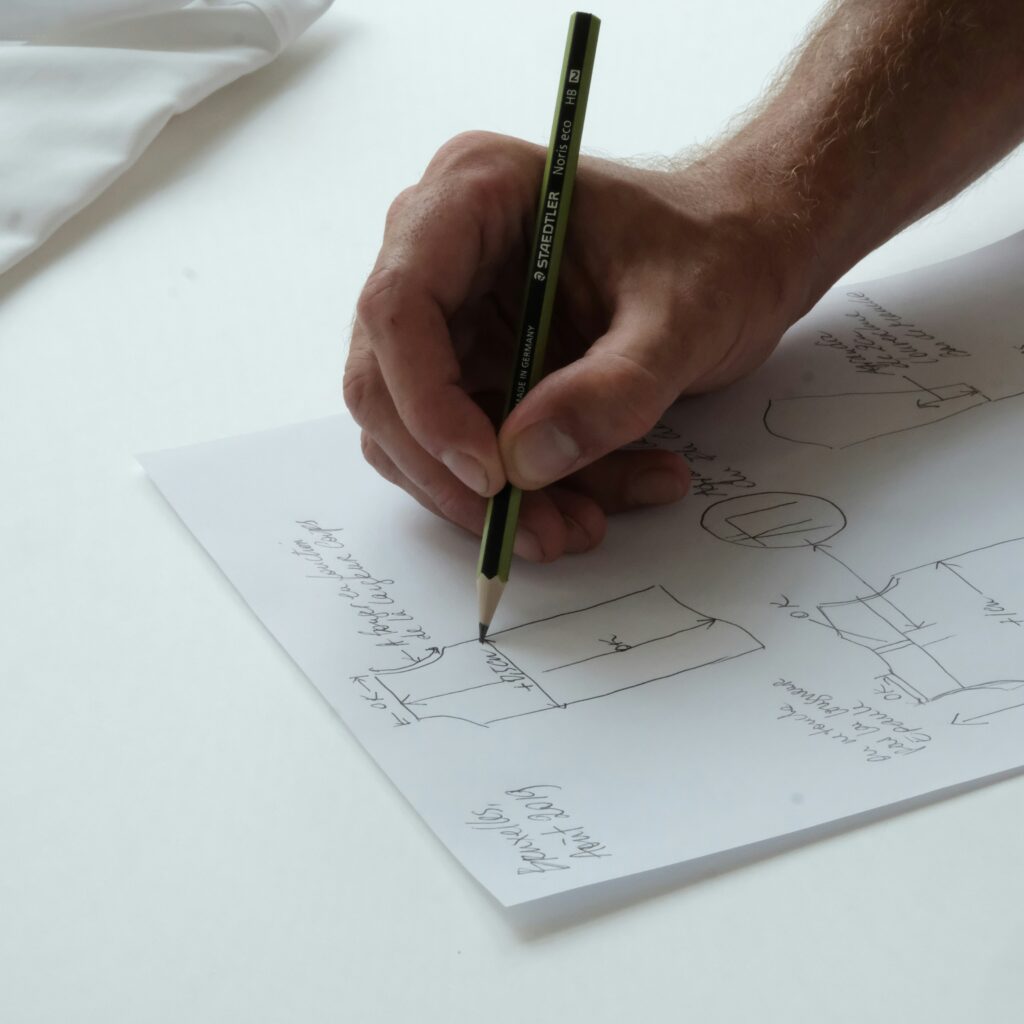
Develop a conceptual theme by selecting key words that define the overall mood and atmosphere of the space.
Create mood boards with inspirational images, colors, and materials to guide the design direction.
3. Space Planning and Layout
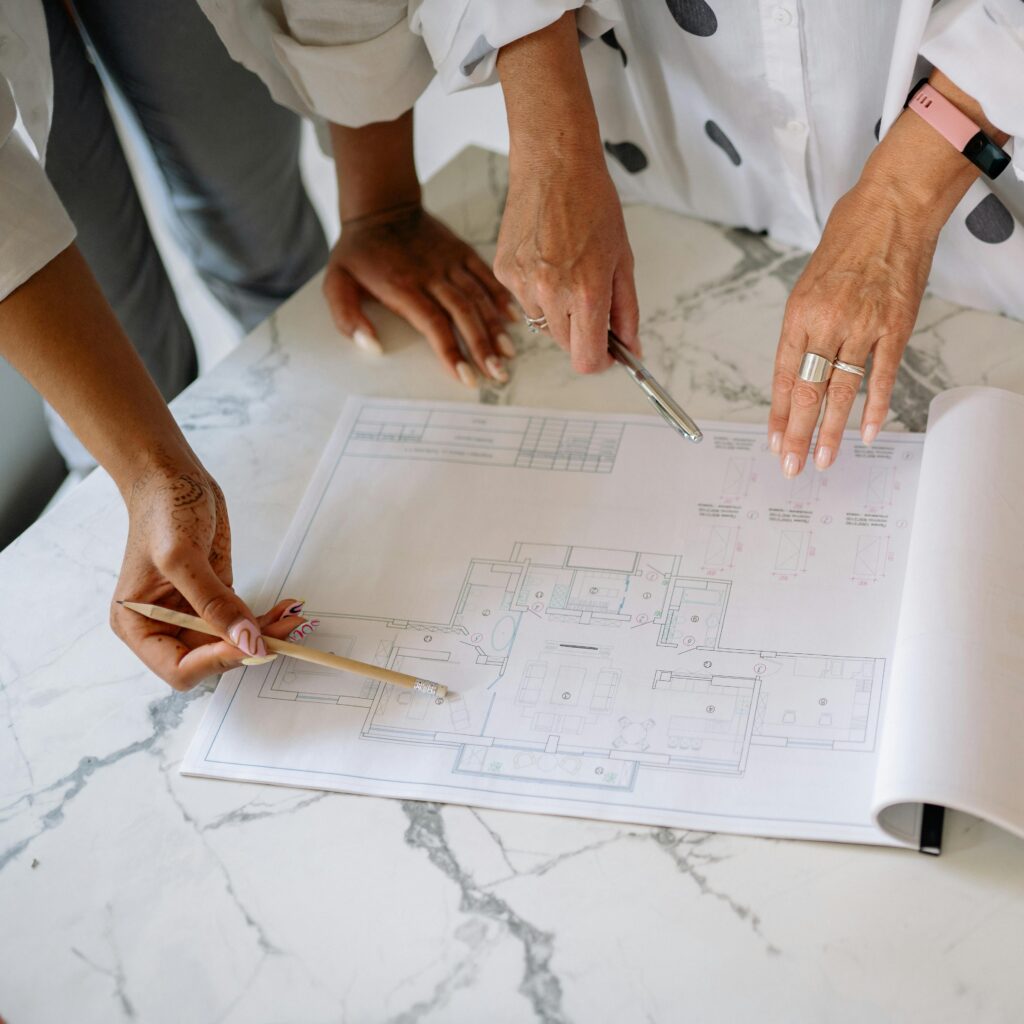
Design the floor plan to optimize the use of space, ensuring good flow and functionality.
Use scaled drawings or software to visualize furniture placement and ensure everything fits.
4. Design Development
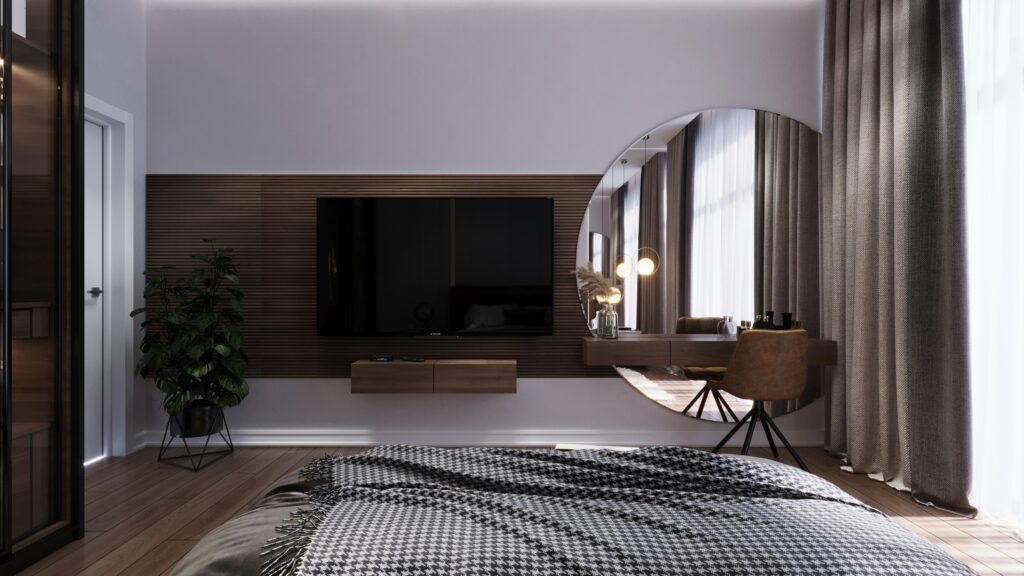
Select the color schemes, materials (e.g., flooring, stone, wood), and finishes.
Choose furniture and fixtures that align with the overall design concept, considering scale and style.
Plan the lighting, as it is a crucial element in transforming a space.
5. Technical Documentation
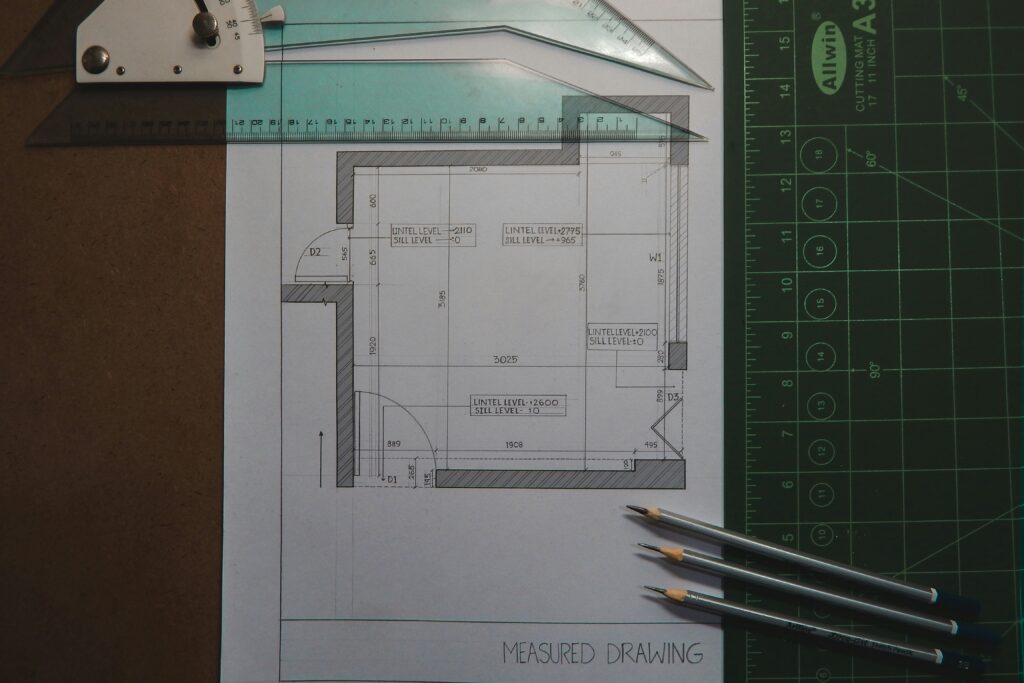
Create detailed specifications and technical drawings for contractors to follow.
This stage ensures precision and functionality during the construction and installation phases.
6. Project Management and Execution
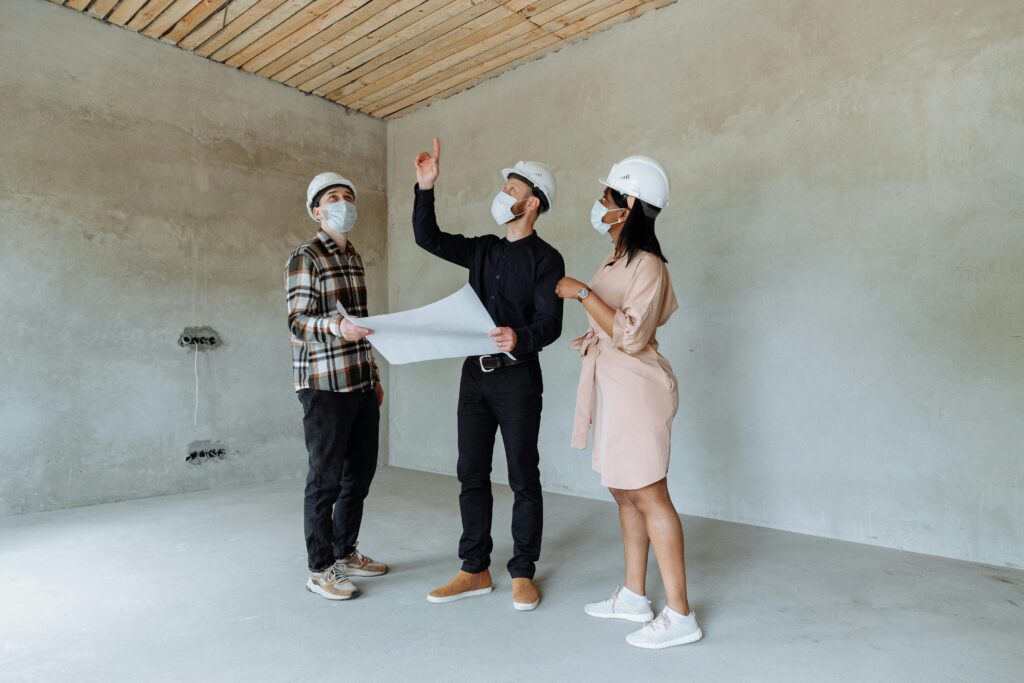
Oversee the project’s execution, coordinating with contractors and managing logistics.
Review the progress to ensure it aligns with the design plan.
7. Styling and Finalization
Style the space with accessories, artwork, and textiles to create a finished look.
Conduct a final walkthrough with the client to address any adjustments or revisions.
8. Post-Occupancy Evaluation
Follow up with the client after the project is complete to measure its success and gather feedback.
This evaluation helps to understand user satisfaction and provides valuable experience for future projects.