
Book FREE Appointment
For Best Quality Construction At Affordable Rates
By Submitting this form, your agree to be contacted by Builderscart regarding your project inquiry. We respect your privacy and will never share your information.
New Home Construction
Phase 1: Pre-Construction (Planning & Design)
The pre-construction phase is the cornerstone of a successful new home project, encompassing all essential preparation and approvals before any work begins on-site.
Key Steps:
Initiation and Financing: This stage begins with defining your vision, budget, and the desired style and size of your home. Secure financing and form a skilled project team, usually including an architect, engineer, and contractor.
Land Acquisition: Identify and purchase a suitable plot, ensuring it matches criteria for soil quality, water drainage, and accessibility. A thorough site analysis sets the stage for smooth construction.
Design and Planning: Collaborate with your architect and engineer to create detailed blueprints, including architectural, structural, and mechanical plans. These documents provide a clear roadmap for the build.
Soil Testing and Surveying: Conduct soil tests to assess load-bearing capacity and inform foundation design. Land surveys ensure property boundaries are clear and accurate.
Obtaining Permits and Approvals: Secure all necessary permits and legal clearances from local authorities, laying the groundwork for compliant and efficient project execution.
This phase prioritizes open communication, feasibility assessments, and strategic planning, ensuring your new home build starts with a solid foundation for success.

Phase 2: Construction (Building the Structure)
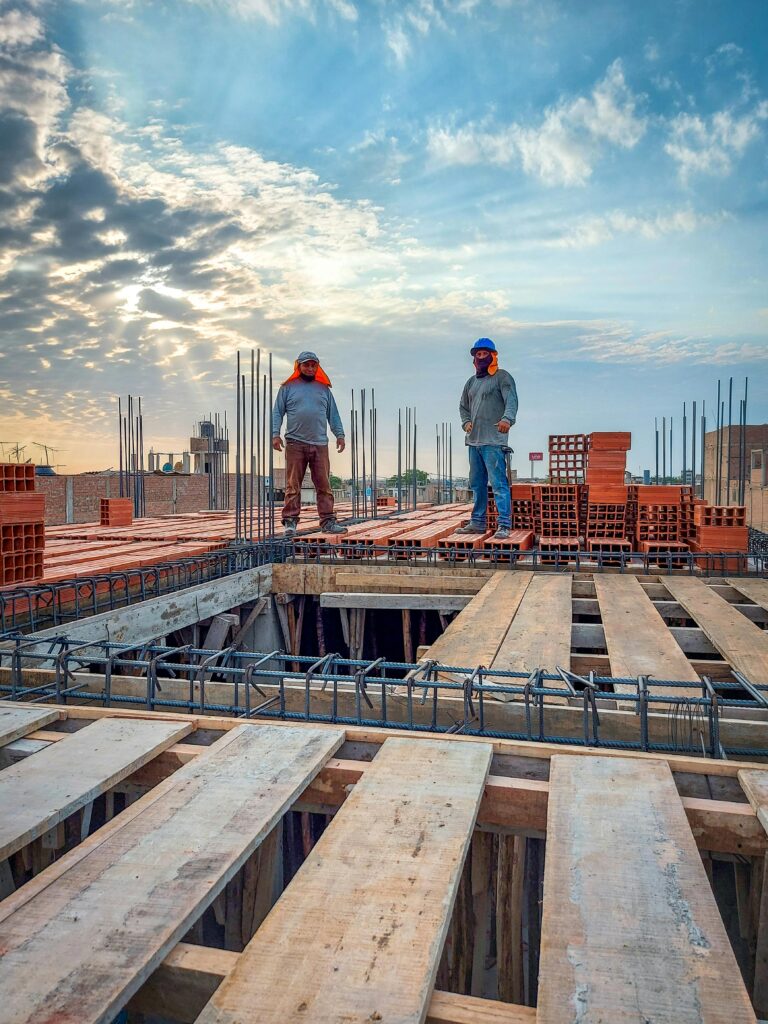
Phase 2 marks the transformation of your plans into reality, as the physical building of your house begins. The construction phase is organized into key steps, each critical to structural integrity and long-term comfort.
Key Steps:
Site Preparation and Foundation: The plot is first cleared and leveled. Excavation work is carried out and the foundation is constructed with necessary reinforcement, waterproofing, and adherence to structural plans. The quality of the foundation directly impacts the strength and safety of your future home.
Structural Framing (Superstructure): The skeleton of your house—comprised of load-bearing walls, columns, beams, and the roof frame—is built. This phase gives shape to your home and defines its essential structure.
Enclosure and Roofing: Exterior walls are completed and the roof is installed to shield the interior from weather. Windows and doors are fitted to secure and insulate the space.
MEP (Mechanical, Electrical, Plumbing) Installation: Critical systems for water, electricity, and climate control are installed throughout the structure, including pipes, wiring, HVAC, and outlets—integrated into walls and floors before finishes are applied.
Interior and Exterior Finishes: Insulation and drywall work follow, with walls plastered and exteriors finished using durable materials like siding or render. These steps represent the transition from rough construction to a livable, comfortable space.
Clear project supervision and coordination during this phase ensure each milestone is met with precision and quality, forming the backbone for all subsequent finishing work.
Phase 3: Post-Construction (Finishing & Occupancy)
The post-construction phase puts the finishing touches on your new home and readies it for your move-in. Every detail is carefully completed to provide comfort, safety, and beauty.
Key Steps:
Flooring and Cabinetry: Expert teams install your chosen flooring materials—such as tiles, marble, or wood—throughout the home. Built-in cabinetry like kitchen units and bedroom wardrobes are crafted and fitted for seamless organization.
Fixtures and Painting: All electrical and plumbing fixtures—including lights, switches, faucets, and sinks—are installed and connected to active utilities. Interior and exterior walls, as well as ceilings, are finished with high-quality paint or wallpaper for a polished look.
Final Inspections and Quality Checks: Thorough walkthroughs and inspections are done to confirm every aspect meets local building codes and quality standards, ensuring safe and reliable occupancy.
Landscaping and External Work: Driveways, pathways, fencing, and landscape elements like gardens and lawns are designed and completed to enhance curb appeal and functionality.
Handover and Move-In: After a deep clean, issue of a completion certificate, and resolving any minor issues, the keys are formally handed over so the new homeowners can move in with confidence.
This final phase ensures every feature of your new home is complete, safe, and ready for a smooth transition to comfortable living.