By Submitting this form, your agree to be contacted by Builderscart regarding your project inquiry. We respect your privacy and will never share your information.
Renovations & Remodeling
1. Planning and design
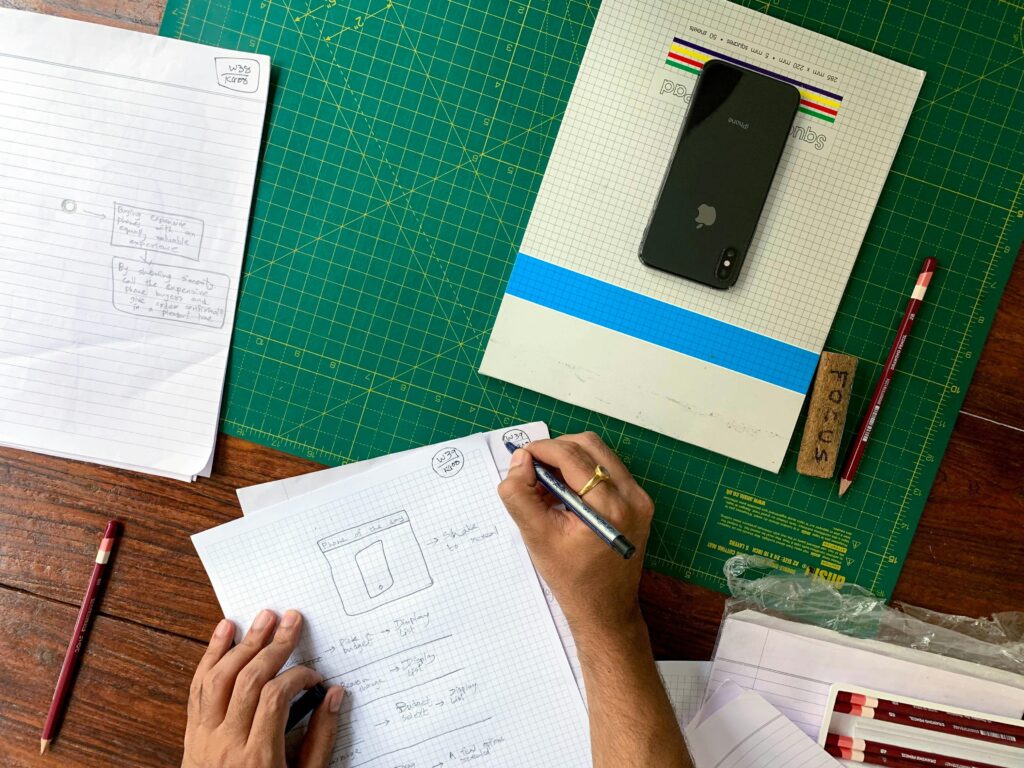
Define goals and budget:Determine what you want to achieve with the remodel and establish a realistic budget. Consider hiring a designer if needed.
On-site consultation and measurement:A professional will visit the site to take measurements and assess the existing conditions to help create an accurate plan.
Design and permits:Work with your designer to create detailed plans and layouts. Obtain any necessary permits before construction begins.
2. Demolition and site preparation
Site preparation:Secure the area by setting up a protected workspace for tools and materials.
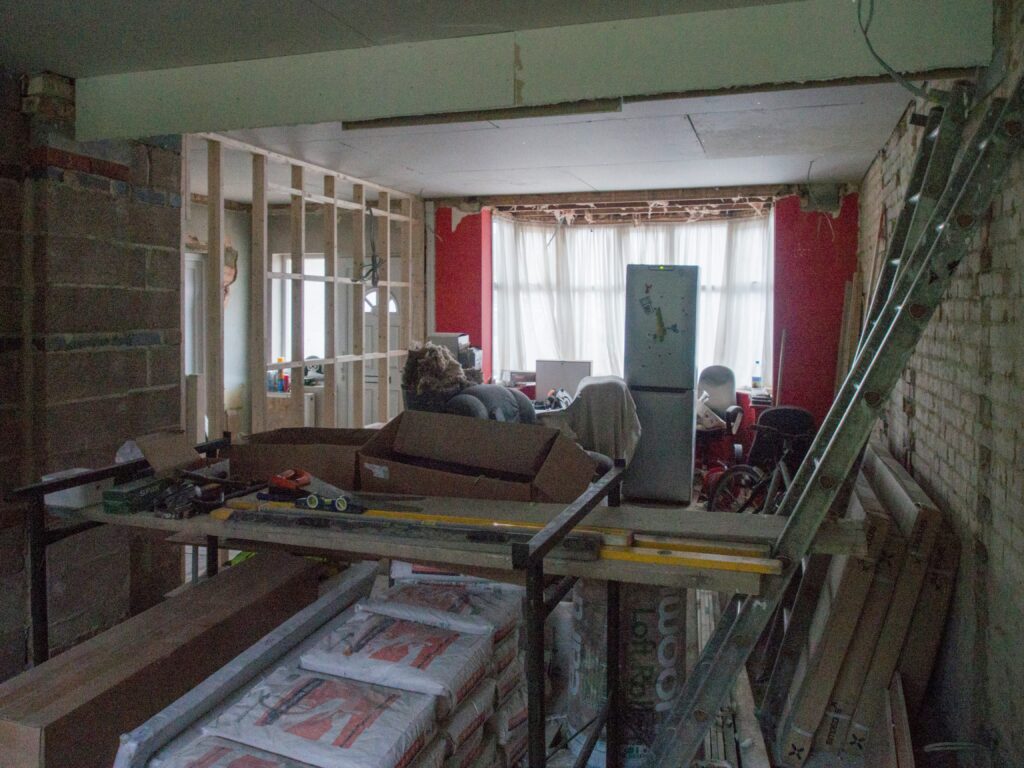
Demolition: Remove old fixtures, walls, and other elements that will be replaced. This can generate a lot of dust.
3. Structural and rough-in work
Framing:Build or move walls, subfloors, and ceilings as per the new design.
Exterior work:If applicable, install new siding, roofing, windows, and doors to make the structure “watertight”.
Rough-in systems: Install the “first fix” of electrical wiring and plumbing lines before walls are closed up. This is also the time to install any new ductwork or insulation.
4. Finishing touches
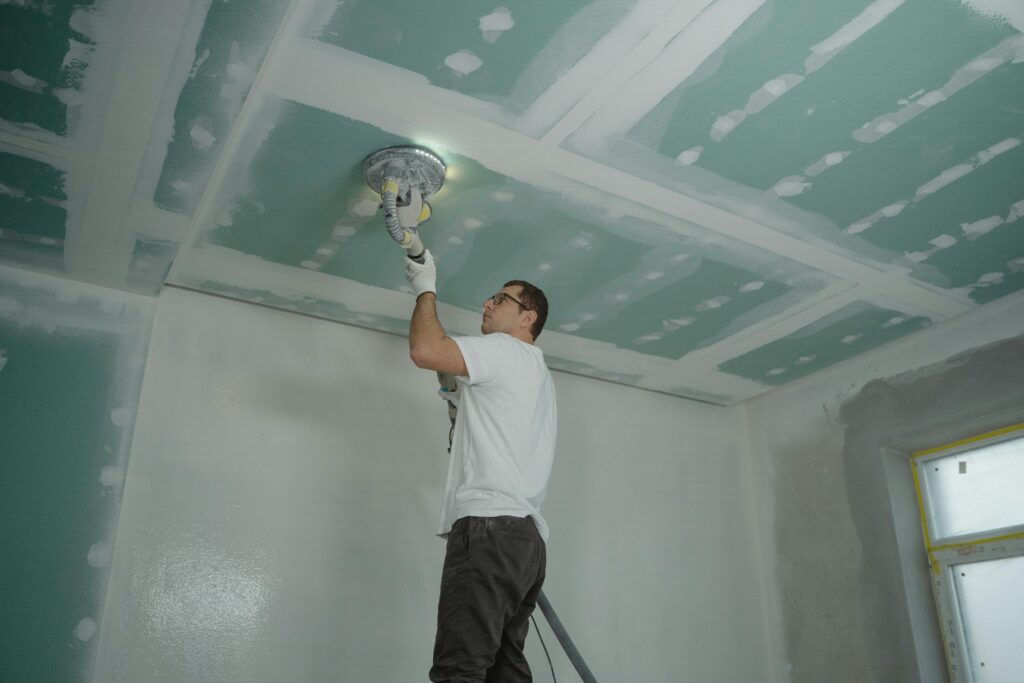
Insulation and drywall:Install insulation, then hang and finish drywall on walls and ceilings.
Interior finishes:This stage includes plastering, painting, and installing flooring.
Install fixtures and cabinetry: Install cabinets, countertops, plumbing fixtures (like sinks and toilets), and lighting.
5. Cleanup and final inspection
Final details:Add hardware, backsplashes, and any other decorative elements.
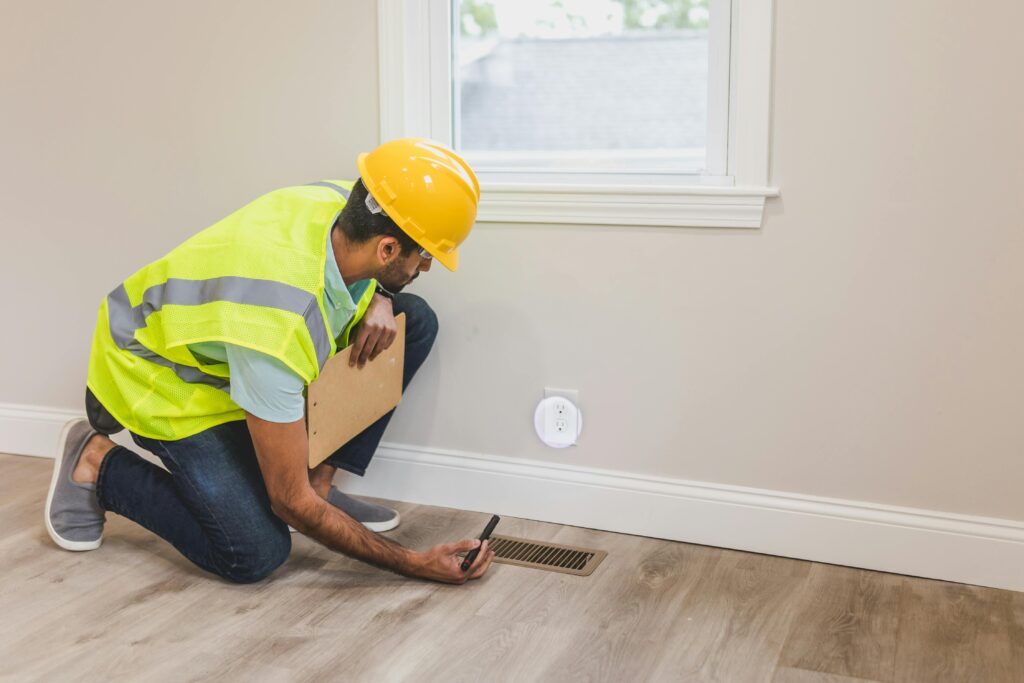
Final inspection:Schedule a final inspection with the local authority to ensure the renovation meets all building codes and safety standards.
Cleanup: Clean the entire space, remove all debris, and make final touches before the project is officially completed.